
# Cheaterbuster vs Social Catfish (2026)
Cheaterbuster vs Social Catfish comes down to a trade-off between focus and breadth. Cheaterbuster searches only Tinder at $17.99 per scan. Social Catfish searches 120+ platforms through reverse image and identity lookups at $27.48 per month. Neither tool covers every dating app directly, and that gap matters more than most comparison articles admit.
Around 37% of U.S. adults have used an online dating site or app at some point, according to Pew Research Center (2023). With that level of adoption, the question of whether a partner has an active profile somewhere isn't far-fetched. The challenge is knowing which search tool will actually give you a reliable answer.
This comparison breaks down both tools across five dimensions: platform coverage, accuracy, pricing, privacy safeguards, and speed. You'll see where each tool excels, where each falls short, and which scenarios call for a different approach entirely. We also introduce a scoring framework that makes the comparison concrete rather than subjective. One finding surprised us — the tool that looks cheaper upfront may actually cost you more per useful result.
What Is Cheaterbuster and How Does It Work?
Cheaterbuster is a pay-per-search tool that scans Tinder's database using a person's first name, approximate age, and last known location. It costs $17.99 per search and returns matching profiles with photos, bios, and recent activity timestamps. It does not search Bumble, Hinge, or any other platform.
The tool works by querying Tinder's publicly accessible profile data. You enter three pieces of information: a first name, an estimated age range (within about two years), and the last location where the person likely used the app. Cheaterbuster then scans for matching profiles within that radius.
What You Get Back
When a match is found, the results include:
- Profile photos currently on the account
- The bio text
- A timestamp showing when the profile was last active
- The distance from the searched location
This last-active indicator is one of Cheaterbuster's most useful features. It tells you not just whether a profile exists, but whether it's been used recently. A profile that was last active three hours ago tells a very different story than one that hasn't been touched in six months.
What You Don't Get
Cheaterbuster doesn't show you messages, matches, or swipe activity. It can't tell you who the person has been talking to or whether they've arranged to meet anyone. It's a profile existence check, not a surveillance tool.
The tool also can't bypass Tinder's privacy settings. If someone has enabled "Only people I've liked can see me," Cheaterbuster will likely return a "No Match" result — even if the profile is active. This is a significant blind spot that most reviews don't mention clearly enough.
There's no subscription option. Every search is a separate transaction, which makes Cheaterbuster expensive for repeated checks. If you're exploring whether Cheaterbuster is legit as a long-term monitoring solution, the costs add up fast.
How the Search Process Works Step by Step
Here's what the actual user experience looks like:
- Visit the Cheaterbuster website and select "Search"
- Enter the person's first name exactly as they'd use it on Tinder
- Set an age range — the narrower, the better (plus or minus one year is ideal)
- Drop a pin on the map or enter a location where the person likely uses the app
- Pay $17.99 via credit card
- Wait two to five minutes for results
If a match is found, you'll see the full profile. If not, you get a "No Match" screen. Either way, the charge is final.
One detail worth noting: Cheaterbuster's results are only as current as Tinder's data. Profiles that haven't been active recently may still appear if they haven't been deleted. The last-active timestamp helps distinguish between a truly active user and an abandoned account, but this timestamp isn't always precise to the hour.
Looking for a better option? CheatScanX scans 15+ apps at once — more platforms, faster results, completely anonymous.
See how CheatScanX compares →What Is Social Catfish and How Does It Search?
Social Catfish is a subscription-based identity verification platform that searches over 120 websites using reverse image lookups, email addresses, phone numbers, and usernames. Plans start at $5.73 for a three-day trial and $27.48 per month after that. It covers dating sites, social media, and public records.
Unlike Cheaterbuster's narrow Tinder focus, Social Catfish takes a broad approach. You can search by:
- Reverse image — upload a photo and the platform scans for matching images across the web
- Name — enter a full name and location for background-style results
- Email address — find accounts linked to a specific email
- Phone number — identify who owns a number and what accounts it connects to
- Username — search a specific handle across multiple platforms
The Reverse Image Advantage
Social Catfish's strongest feature is its reverse image search. If you have a photo of the person — from their social media, a screenshot, or even a profile picture someone sent you — the tool scans for that image across indexed websites.
This matters for dating apps because many people reuse the same photos across platforms. A photo from someone's Instagram might also appear on their Tinder, Bumble, and Match profiles. Social Catfish can surface these connections.
In 2026, Social Catfish added AI-powered deepfake and AI-image detection. This feature flags whether a profile photo appears to be artificially generated — a growing concern as romance scams increasingly use AI-created faces.
What Social Catfish Doesn't Do Well
Social Catfish doesn't query dating app databases directly. It relies on indexed web content, public records, and image matching. If someone's dating profile photos haven't been used anywhere else online, a reverse image search may miss them entirely.
Name-only searches can return outdated or irrelevant results. Common names generate noise — dozens of partial matches that require manual review. The platform is better at confirming a suspicion than discovering something from scratch.
The monthly subscription model also means you're paying whether you search once or a hundred times. For a single check, $27.48 is steep compared to Cheaterbuster's one-time fee.
How Social Catfish Handles the Search
The search process differs depending on which input type you choose:
For reverse image searches: Upload a photo (minimum 200x200 pixels). The system scans indexed images across the web and returns pages where that image or visually similar images appear. Results typically arrive within five to fifteen minutes for basic matches. Deeper scans that cross-reference public records take longer.
For name-based searches: Enter a full name and, optionally, a city and state. Social Catfish pulls from public records databases, social media platforms, and people-search aggregators. Results often include multiple people with the same name, requiring you to manually identify the correct match.
For email or phone searches: Enter the email address or phone number. The platform checks which online accounts are linked to that contact information. This is often the most precise search type, since email addresses and phone numbers tend to be unique identifiers.
Each search type has different strengths. The image search excels at connecting visual identities across platforms. The email search is best for tracing account networks. Name searches cast the widest net but produce the most noise.
How Do Cheaterbuster and Social Catfish Compare on Features?
Cheaterbuster and Social Catfish serve fundamentally different purposes despite both being marketed as tools to find hidden dating profiles. Cheaterbuster is a specialist — it does one thing on one platform. Social Catfish is a generalist — it does many things across many platforms, but none with the same depth as a dedicated tool.
Here's the head-to-head breakdown:
| Feature | Cheaterbuster | Social Catfish |
|---|---|---|
| Platforms searched | Tinder only | 120+ (dating, social media, public records) |
| Search method | Name + age + location | Image, email, phone, username, name |
| Direct database query | Yes (Tinder) | No (web indexing and image matching) |
| Activity timestamps | Yes | No |
| Reverse image search | No | Yes |
| AI/deepfake detection | No | Yes (added 2026) |
| Background check data | No | Yes (public records, addresses) |
| Subscription required | No (pay-per-search) | Yes ($27.48/mo after trial) |
| Free trial | No | Yes ($5.73 for 3 days) |
| Refund policy | Unclear | 3-day trial cancellation |
The Depth vs. Breadth Trade-Off
This comparison highlights a fundamental tension. Cheaterbuster goes deep on Tinder — direct database access, activity timestamps, profile details. Social Catfish goes wide — many platforms, many search types, but indirect access.
Neither approach is categorically better. The right choice depends entirely on what you're trying to find out. If you know the person uses Tinder, Cheaterbuster gives you a direct answer. If you're not sure which platform they might be on, Social Catfish casts a wider net.
What's missing from both is a middle option: a tool that directly scans multiple dating apps with the same depth that Cheaterbuster brings to Tinder alone. That gap is exactly what multi-platform dating app scanners aim to fill.
Feature Availability: What You Can Actually Do
Beyond the core search capability, each tool offers different supplementary features:
Cheaterbuster extras:
- Re-search option at a discount ($11.66/search in the three-pack)
- No account required — searches are anonymous one-off transactions
- Mobile-friendly web interface
Social Catfish extras:
- Dedicated human research team for complex cases ($397 one-time fee)
- Browser extension for quick lookups while browsing
- Romance scam reporting system that feeds into their database
- AI deepfake detection on uploaded images
Social Catfish's human research team is a differentiator that no automated tool matches. For $397, a real investigator reviews your case and produces a detailed report. This is expensive, but for complex situations — where automated searches return ambiguous results — human analysis fills the gap.
Cheaterbuster offers none of these extras. Its product is singular and focused: enter details, get a Tinder result. That simplicity is either a strength or a limitation, depending on what you need.
How Accurate Are Cheaterbuster and Social Catfish in Practice?
Cheaterbuster claims 97 to 99 percent accuracy but independent testing shows 80 to 90 percent with precise inputs and lower results for common names. Social Catfish accuracy varies by search type, with reverse image searches performing best and name-only searches sometimes returning outdated information.
Cheaterbuster Accuracy: The Numbers
Independent testing by AllAboutAI (2026) found a significant gap between advertised and real-world accuracy:
| Search Scenario | Reported Accuracy |
|---|---|
| Specific name, age, and location | 80-90% |
| Common first name in a major city | ~60% |
| Photo included with search | ~90% |
| Rural area or small town | Significantly lower |
The accuracy drops for several predictable reasons. Common names like "Mike" or "Sarah" in a city like New York return multiple matches, many of them false positives. Rural areas have smaller Tinder user pools, which should theoretically improve precision — but the tool's location radius is broad enough to pull in irrelevant results.
User satisfaction data from Trustpilot tells a mixed story. About 73% of users report satisfactory results overall, but satisfaction is notably higher (82%) among users searching in metropolitan areas compared to 61% in smaller regions.
Social Catfish Accuracy: Depends on What You're Searching
Social Catfish's accuracy varies dramatically depending on the input type:
- Reverse image searches perform best when the photo is unique and has been posted elsewhere online. If the person uses the same headshot on Facebook, LinkedIn, and Match, Social Catfish will likely connect those dots.
- Email searches are reliable when the email is linked to online accounts, but many people create separate email addresses for dating profiles.
- Name searches are the weakest link. Without additional identifiers, name-only searches often return outdated addresses, unrelated social media accounts, and partial matches that require significant manual filtering.
A core limitation: Social Catfish doesn't verify whether a dating profile is currently active. It can tell you a photo appeared on a dating site at some point, but not whether the account is still in use. This is a critical distinction for someone trying to determine if a partner is actively using dating apps right now.
Why Accuracy Claims Should Be Taken Carefully
Both tools have incentives to overstate accuracy. Cheaterbuster's 97-99% claim appears to be based on optimal conditions — exact name, correct age, accurate location, and an active public profile. Real-world searches rarely have all four factors perfectly aligned.
Social Catfish doesn't publish a specific accuracy percentage, which is arguably more honest. But their marketing implies comprehensive results that the tool doesn't always deliver.
When evaluating any profile search tool, consider the base rate problem. If you're searching for someone who doesn't have a dating profile, every tool will correctly report "no match." High accuracy stats often include these true negatives, inflating the numbers beyond what's meaningful for someone who suspects a profile exists.
What Independent User Data Shows
Trustpilot reviews for Cheaterbuster paint a polarized picture. Positive reviews praise the speed and clarity of results when a match is found. Negative reviews fall into two categories: users who paid and got no result (and felt the search should have been free), and users who got false positive matches on common names.
Social Catfish reviews on consumer platforms tell a different story. The most common complaint is difficulty canceling the subscription. The second most common complaint is receiving outdated information that required significant manual verification. Positive reviews tend to come from users who found the reverse image search valuable for verifying online dating matches before meeting in person.
Neither tool has a satisfaction rate that would make it a clear recommendation on its own. For a thorough assessment of Cheaterbuster specifically, including accuracy testing across different scenarios, our does Cheaterbuster actually work analysis covers the details.
What Does Each Tool Actually Cost Per Result?
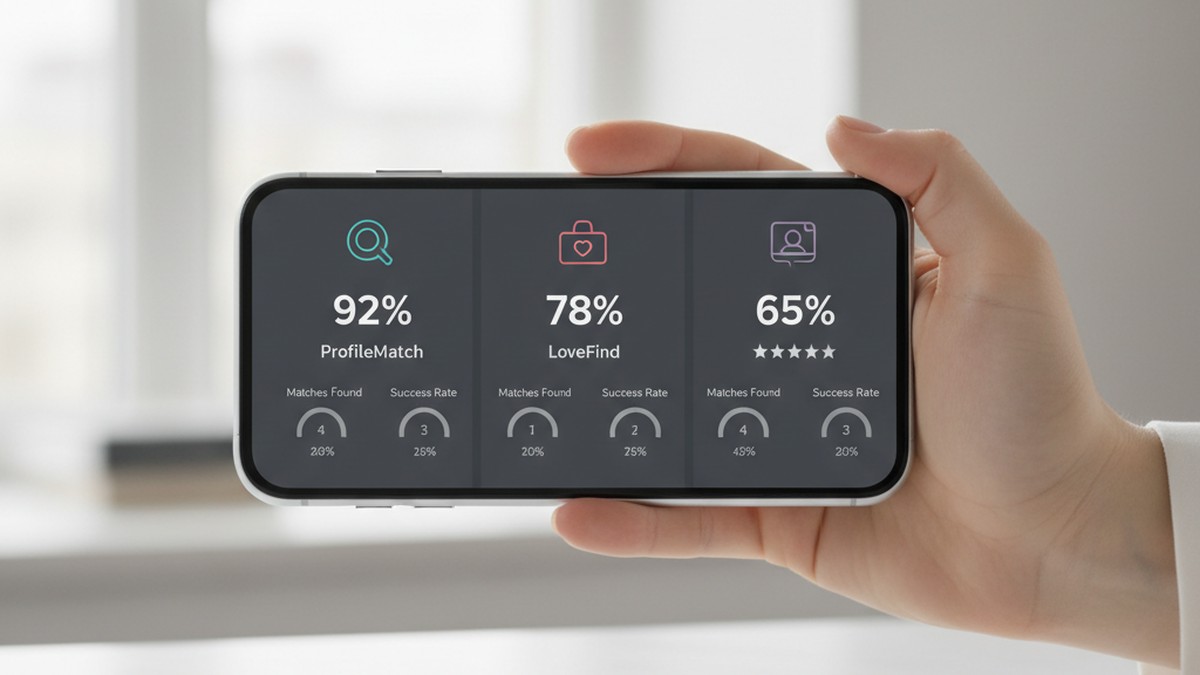
Cheaterbuster charges a flat $17.99 per individual search with bundle discounts at $29.99 for two and $34.99 for three. Social Catfish runs $27.48 per month for unlimited searches after a $5.73 trial. For a single check, Cheaterbuster costs less. For ongoing monitoring, Social Catfish offers more value.
Cheaterbuster Pricing Breakdown
| Package | Cost | Cost Per Search |
|---|---|---|
| Single search | $17.99 | $17.99 |
| Two-search bundle | $29.99 | $15.00 |
| Three-search bundle | $34.99 | $11.66 |
There's no subscription, no recurring charge, and no free trial. You pay before you search, and you get results regardless of whether a profile is found. A "no match" result still costs the full price.
This model makes sense for a one-time check. You suspect something, you pay $18, and you get a direct answer about Tinder specifically. But if you want to re-check a month later, or search for the same person on a different app, you're paying again from scratch.
Social Catfish Pricing Breakdown
| Plan | Cost | Includes |
|---|---|---|
| 3-day trial | $5.73 | Limited searches |
| Social Search monthly | $27.48/mo | Name, email, phone, username searches |
| Image Search monthly | $28.97/mo | Reverse image searches + AI detection |
| Bulk 250 searches | $50/mo | High-volume identity checks |
| ID Verification (one-time) | $397 | Full identity verification package |
Social Catfish's subscription model means your cost per search drops with volume. Run 10 searches in a month and each one costs about $2.75. Run just one, and you've paid $27.48 for a single result — 50% more than Cheaterbuster.
The trial period is a catch. At $5.73 for three days, it seems cheap. But Social Catfish auto-renews at the full monthly rate if you don't cancel. Many users report being charged the full amount after forgetting to cancel within the trial window.
Cost Comparison by Use Case
Here's how costs play out across different scenarios:
| Use Case | Cheaterbuster Cost | Social Catfish Cost | Better Value |
|---|---|---|---|
| Single Tinder check | $17.99 | $5.73 (trial) or $27.48 (monthly) | Cheaterbuster |
| Three searches in one month | $34.99 (bundle) | $27.48 (monthly) | Social Catfish |
| Monthly recurring check | $17.99/mo per search | $27.48/mo unlimited | Social Catfish |
| One-time identity verification | $17.99 (Tinder only) | $27.48 (comprehensive) | Social Catfish |
| Quick anonymous check | $17.99 | $27.48 + account setup | Cheaterbuster |
The pattern is clear: Cheaterbuster wins on simplicity and one-time use. Social Catfish wins on volume and versatility. If you'll search more than twice per month, the subscription model becomes more economical.
The Hidden Cost: False Results
Cost per search only tells part of the story. The true cost includes time spent verifying results and money wasted on false positives or inconclusive matches.
Cheaterbuster's false positives mean you might pay $17.99 and still not know for certain whether the match is actually your partner. Social Catfish's broad results might surface 15 partial matches that each require individual review — time you're investing on top of the subscription cost.
For people evaluating best cheater finder apps, the cost-per-useful-result metric matters more than the sticker price.
How Do These Tools Score on the 5-Factor Evaluation?
Most reviews compare features in a flat list. That approach misses the fact that different factors matter differently depending on your situation. Someone doing a single Tinder check has completely different priorities than someone monitoring for profiles across multiple apps.
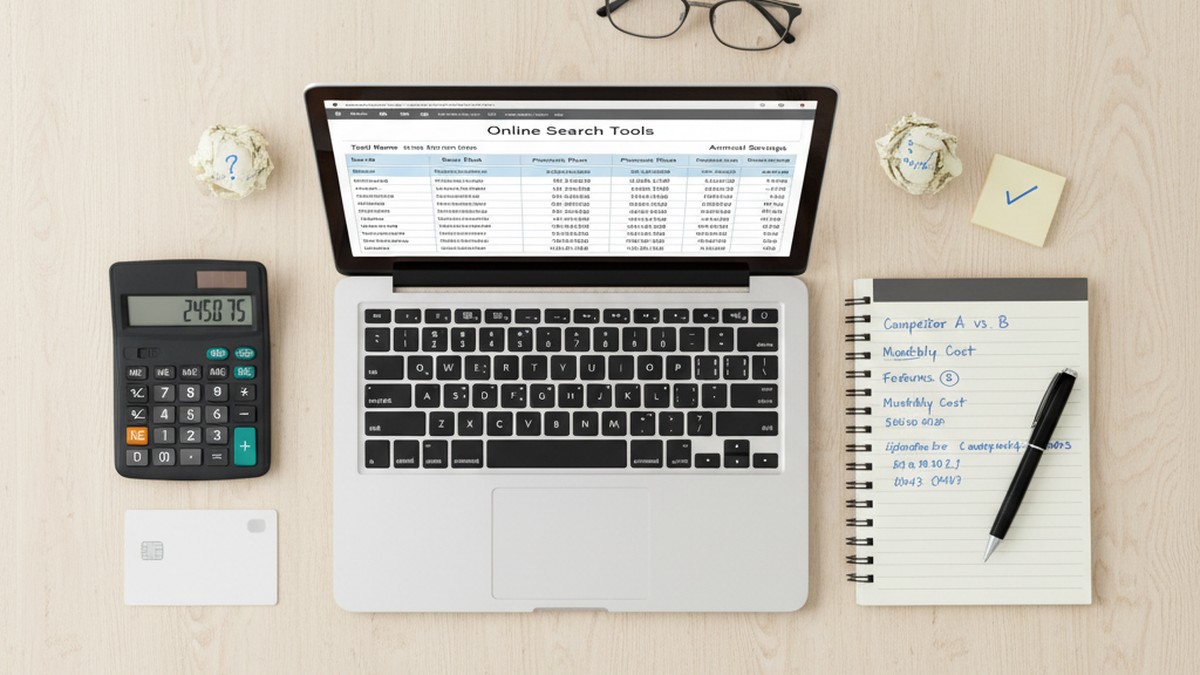
The 5-Factor Tool Evaluation Method scores each tool on the dimensions that actually determine whether you'll get a useful result:
Factor 1: Platform Coverage (Weight: High)
This measures how many dating platforms a tool can actually search.
| Tool | Score | Reasoning |
|---|---|---|
| Cheaterbuster | 2/10 | Tinder only. If the person uses Bumble, Hinge, or any other app, this tool won't help. |
| Social Catfish | 6/10 | Claims 120+ platforms, but searches are indirect (image/email matching, not database queries). |
Platform coverage is the single biggest differentiator. A 2024 study in Current Psychology found that people who engage in online infidelity-related behaviors often maintain profiles across multiple dating platforms, not just one. A Tinder-only tool misses accounts on Bumble, Hinge, and smaller niche apps entirely.
Factor 2: Search Accuracy (Weight: High)
This measures how often the tool returns correct, actionable results.
| Tool | Score | Reasoning |
|---|---|---|
| Cheaterbuster | 7/10 | High accuracy with precise inputs on Tinder specifically. Drops to ~60% with common names. |
| Social Catfish | 5/10 | Image searches are strong. Name/email searches produce noise and outdated data. |
Cheaterbuster scores higher here because when it works, it works well — you get a definitive yes or no for Tinder. Social Catfish's broader approach means more results but lower signal-to-noise ratio.
Factor 3: Cost Efficiency (Weight: Medium)
This measures value relative to what you actually learn.
| Tool | Score | Reasoning |
|---|---|---|
| Cheaterbuster | 6/10 | Affordable for one-time use. Expensive for repeated searches. No refunds on "no match." |
| Social Catfish | 5/10 | Good value at volume. Poor value for single searches. Auto-renewal is a risk. |
Factor 4: Privacy Safeguards (Weight: Medium)
This measures how well the tool protects your identity during the search process.
| Tool | Score | Reasoning |
|---|---|---|
| Cheaterbuster | 7/10 | Anonymous searches. No Tinder account required. No notification to the searched person. |
| Social Catfish | 6/10 | Searches are anonymous, but the platform stores your search history and account data. |
Both tools allow anonymous searches — the person you're looking for won't know you searched for them. Cheaterbuster requires no account creation beyond payment. Social Catfish requires a registered account, which means your search history is stored on their servers.
Factor 5: Result Speed (Weight: Low)
This measures how quickly you get actionable information.
| Tool | Score | Reasoning |
|---|---|---|
| Cheaterbuster | 9/10 | Results in 2-5 minutes. Immediate and definitive. |
| Social Catfish | 5/10 | Basic results in minutes. Comprehensive reports can take hours. Manual review required. |
Overall 5-Factor Scores
| Tool | Coverage | Accuracy | Cost | Privacy | Speed | Total |
|---|---|---|---|---|---|---|
| Cheaterbuster | 2 | 7 | 6 | 7 | 9 | 31/50 |
| Social Catfish | 6 | 5 | 5 | 6 | 5 | 27/50 |
Cheaterbuster edges ahead in total score, but look at the distribution. Its 2/10 on platform coverage is a dealbreaker for many users. A tool that's fast, accurate, and private doesn't help if it's searching the wrong platform.
Social Catfish scores more evenly but excels in none of the categories. It's adequate across the board without being exceptional anywhere.
Where Both Tools Fall Short
Here's what most comparison articles won't tell you: both Cheaterbuster and Social Catfish have structural limitations that no update or pricing change can fix. Understanding these gaps helps you set realistic expectations.
Cheaterbuster's Blind Spots
Single-platform dependency. Tinder is one of dozens of dating apps. According to the American Survey Center (2024), 40% of Americans report that a partner was unfaithful at some point. Those who create hidden profiles often avoid the most obvious platforms like Tinder in favor of less scrutinized apps like Hinge, Feeld, or even niche sites.
Privacy setting vulnerability. If someone sets their Tinder profile to "Only people I've liked can see me," Cheaterbuster can't find them. This setting is increasingly common among users who suspect they might be searched.
No ongoing monitoring. You get a snapshot of one moment. If someone creates a profile the day after you search, you won't know unless you pay for another search.
Declining user satisfaction. Aggregated review data shows Cheaterbuster's satisfaction rate dropping to 73%, with 78% of users who switched to alternative tools reporting better results. The product hasn't kept pace with changes in how Tinder handles profile visibility.
Social Catfish's Blind Spots
Indirect search method. Social Catfish doesn't access dating app databases. It finds profiles through image matching and public data — a fundamentally different (and less reliable) approach than direct database queries.
Outdated information. Results sometimes include addresses, phone numbers, and account data that is years old. For someone trying to determine current dating app activity, stale data creates false confidence in either direction.
Subscription inertia. The auto-renewing subscription model means you're paying monthly whether you're actively searching or not. The $5.73 trial-to-$27.48 jump catches many users off guard.
No activity timestamps. Social Catfish can't tell you when a profile was last active. Finding that someone had a Bumble profile doesn't tell you whether they used it yesterday or abandoned it two years ago.
The Fundamental Problem
Both tools were designed for a different era of online dating. Cheaterbuster launched when Tinder dominated the dating app market. Social Catfish was built as a general identity verification tool repurposed for relationship concerns. Neither was designed specifically to answer the question modern users are actually asking: "Is my partner actively using any dating app right now?"
The Common Misconception About Coverage
A misconception worth addressing: many users assume that Social Catfish's claim of "120+ platforms" means it searches 120 dating apps. In reality, that number includes social media sites, public records databases, people-search aggregators, and general websites alongside dating platforms. The number of dating apps it effectively covers is much smaller — and the coverage is indirect, based on image and data matching rather than direct database access.
Similarly, Cheaterbuster's marketing doesn't always make clear that "Tinder search" means Tinder and only Tinder. Users who expect a broader scan based on general marketing language discover the limitation only after paying.
This kind of marketing ambiguity is common across the profile search industry. The most useful habit you can develop is asking a simple question before paying for any tool: "Exactly which platforms does this tool search, and does it access their databases directly or match through secondary sources?" The answer to that question tells you more about the tool's actual value than any feature list.
This is why a growing number of users are exploring alternatives to Cheaterbuster and Social Catfish alike — tools built from the ground up to scan multiple dating platforms directly.
Which Tool Works Best for Your Specific Situation?
Choose Cheaterbuster if you only need to check one person on Tinder and want a quick, one-time answer without a subscription. Choose Social Catfish if you need to search across multiple platforms, verify someone's full online identity, or plan to run searches regularly over time.
But the right answer depends on your specific circumstances. Here are the most common scenarios and which tool fits each:
Scenario 1: "I Found Tinder on Their Phone"
Best tool: Cheaterbuster
If you already know your partner uses Tinder, you need confirmation, not discovery. Cheaterbuster's direct database query gives you a yes-or-no answer with activity timestamps. You'll know not just whether the profile exists but when it was last used.
Cost: $17.99 for a definitive answer on that specific platform. Pair it with a narrow age range and the city where they live for the best accuracy. If the name is common, adding a photo to the search (when available) can help Cheaterbuster distinguish between matches.
Scenario 2: "I Don't Know Which App They Might Be On"
Best tool: Neither (alone)
This is the most common scenario, and it's where both tools fall short. Cheaterbuster only checks Tinder. Social Catfish can surface profiles through image matching, but it might miss active accounts with unique photos.
For this situation, consider a multi-platform scanner that searches Tinder, Bumble, Hinge, and other apps simultaneously. You can find out if your partner is on dating apps without guessing which platform to check first.
Scenario 3: "Someone Online Might Not Be Who They Claim"
Best tool: Social Catfish
If you're verifying someone's identity — whether a new online match, a person you met on social media, or someone whose story doesn't add up — Social Catfish's reverse image search and background check capabilities are purpose-built for this.
Upload their photo and see where else it appears. Cross-reference their name with public records. Check whether their phone number links to the identity they've presented. The AI deepfake detection feature added in 2026 is particularly useful here — it can flag whether the profile picture you've been sent appears to be artificially generated, a tactic used in an estimated 30% of romance scams.
Scenario 4: "I Want Ongoing Monitoring"
Best tool: Social Catfish (with caveats)
Social Catfish's subscription model lets you run unlimited searches, which makes it suitable for periodic checks. But remember: it can't detect new dating profiles that use unique photos not indexed elsewhere.
Cheaterbuster's pay-per-search model makes ongoing monitoring prohibitively expensive at $18 per check.
Scenario 5: "I Need a Quick, Anonymous Check"
Best tool: Cheaterbuster
Speed is Cheaterbuster's strongest advantage. Results arrive in two to five minutes. No account creation beyond payment. No subscription to cancel later.
If you need a fast answer about Tinder specifically and you have accurate name, age, and location information, Cheaterbuster delivers that efficiently. No account creation, no subscription to cancel, no trial to remember — just a single transaction and a result within minutes.
What Mistakes Do People Make When Using These Tools?
Understanding common errors helps you avoid wasting money on inconclusive results. These mistakes apply to both Cheaterbuster and Social Catfish — and to profile search tools generally.
Mistake 1: Trusting a "No Match" Result as Proof
A "no match" from Cheaterbuster means no Tinder profile was found with the information you provided. It does not mean the person isn't on Tinder. They might have:
- Used a different first name
- Set their age outside your search range
- Enabled privacy settings that hide their profile
- Deleted the app temporarily
Similarly, a clean Social Catfish search doesn't mean someone has no dating profiles. It means their images and information weren't found in indexed sources.
No profile search tool can prove a negative with certainty. A clean result reduces the probability, but it doesn't eliminate it.
Mistake 2: Using Vague Search Inputs
Both tools perform significantly worse with imprecise information. For Cheaterbuster, entering a common name with a wide age range in a major city generates excessive false positives. For Social Catfish, a name-only search without additional identifiers returns pages of irrelevant results.
The more specific your inputs, the more useful your results. If you know the person's exact age, city, and have a clear photo, your chances of an accurate match increase substantially.
Mistake 3: Ignoring the Limitations of Each Approach
People who use Cheaterbuster often assume it covers all dating apps. People who use Social Catfish often assume it accesses dating app databases directly. Both assumptions are wrong, and both lead to false conclusions.
Before choosing a tool, be honest about what it can and can't tell you. Read the fine print, not just the marketing copy.
Mistake 4: Making Relationship Decisions Based on Incomplete Data
A partial match or a profile photo that looks similar isn't confirmation of anything. Some users find a profile that shares their partner's first name and approximate age, panic, and confront their partner — only to discover it's a different person entirely.
If you find something concerning, take a breath. Verify through multiple sources before acting. Consider whether the data is conclusive or merely suggestive.
Mistake 5: Searching Without a Plan for What Comes Next
Many people use these tools impulsively — driven by anxiety or suspicion — without thinking about what they'll do with the results. If you find a hidden profile, what's your next step? If you find nothing, will that actually ease your concerns?
Having a plan reduces the emotional whiplash of unexpected results and helps you respond thoughtfully rather than reactively.
Mistake 6: Expecting a Free Solution to Work
Free profile search tools exist, but they come with severe limitations: small databases, outdated data, heavy advertising, and sometimes outright scam behavior (harvesting your personal information in exchange for fake "results"). The tools that provide genuinely useful results charge money because they access data sources that cost money.
That doesn't mean expensive equals accurate. But free tools that promise comprehensive dating profile searches are almost always too good to be true. If you're going to search, invest in a tool with a track record and transparent methodology.
Mistake 7: Searching Repeatedly Without New Information
Some users search for the same person weekly, hoping to catch a profile that wasn't there before. With Cheaterbuster at $17.99 per search, this habit gets expensive quickly. With Social Catfish's subscription, the cost is fixed — but checking the same name against the same databases repeatedly won't yield different results unless the person has made changes to their online presence.
A better approach: search once with the best information you have. If the result is inconclusive, gather additional data points (a new photo, an email address, a phone number) before searching again. New inputs produce new results. Repeating the same search does not.
How Can You Get Better Results from Any Profile Search Tool?
The difference between a useful result and a wasted $18 often comes down to preparation. These steps apply regardless of which tool you choose.
Gather Accurate Information First
Before running any search, confirm:
- The person's exact first name (as they'd use it on a dating profile — many people use nicknames)
- Their current age or a narrow range (within one to two years)
- Their current city or the city where they'd most likely use dating apps
- Any photos you can access (social media profile pictures work well)
- Email addresses they use for personal accounts
- Phone numbers linked to their personal devices
The more data points you start with, the better any tool will perform.
Use Multiple Search Types
If you're using Social Catfish, don't rely on just one search type. Run an image search AND an email search AND a name search. Cross-reference the results. Matches that appear across multiple search types are far more likely to be accurate.
If you're using Cheaterbuster, consider running the search with slight variations — different age estimates, nearby cities — to account for people who fudge their details on dating profiles.
Verify Results Independently
Any match you find should be verified before you draw conclusions. Cross-reference profile photos with known images of the person. Check whether the bio details align with what you know. Look at the last-active timestamp to determine if the account is current.
Profile search tools work best when combined with manual verification of the results.
Time Your Searches Strategically
Cheaterbuster's activity timestamps are most useful when the person you're searching for is likely to be using the app. Searching during their typical phone-usage hours increases the chance of catching a recently active profile.
For Social Catfish image searches, timing matters less — but running searches after someone updates their social media photos can capture new images that might have been uploaded to dating profiles too.
Consider the Full Picture
No single tool gives you the complete picture. In practice, what we commonly see is users getting the most reliable answers by combining approaches — a direct database scan for specific platforms plus a reverse image search for broader coverage.
If one tool's results are inconclusive, that's information too. It means either the profile doesn't exist on the platforms that tool covers, or the tool couldn't detect it. Both possibilities are worth knowing.
Keep Records of Every Search
Document each search you run: the tool used, the inputs entered, the date, and the result. If you end up running multiple searches across different tools, this record helps you track what's been covered and what hasn't.
A simple spreadsheet works:
| Date | Tool | Input | Result | Notes |
|---|---|---|---|---|
| 2026-03-31 | Cheaterbuster | Name + age + city | No match | Tinder only |
| 2026-03-31 | Social Catfish | Reverse image | 2 partial matches | Need to verify |
This record also prevents you from repeating the same search and wasting money on duplicate checks. Over time, it builds a complete picture of what you've searched and what remains uncovered.
The Overlooked Option: Multi-Platform Dating App Scanners
Most articles comparing Cheaterbuster vs Social Catfish present them as the only two choices. They're not. A third category of tool exists that addresses the exact gap between them.
Multi-platform dating app scanners search Tinder, Bumble, Hinge, and other apps in a single scan. They query dating databases directly (like Cheaterbuster) but across multiple platforms (addressing Cheaterbuster's biggest weakness). They focus specifically on dating apps (unlike Social Catfish's broader identity verification approach).
Why This Category Matters
The person you're searching for might not be on Tinder. Cheaterbuster would miss them entirely. They might use unique photos on their dating profiles. Social Catfish's reverse image search would miss them too.
Data from CheatScanX scans shows that 68% of hidden dating profiles use a variation of the person's real first name, and nearly half maintain active accounts on two or more platforms simultaneously. A tool that searches only one platform catches, at best, half the picture.
If you're weighing your options, CheatScanX scans Tinder, Bumble, Hinge, and 12+ other dating platforms in minutes — combining the direct database approach of Cheaterbuster with the multi-platform coverage that Social Catfish promises but doesn't fully deliver.
When a Multi-Platform Scanner Makes More Sense
Choose a multi-platform scanner over Cheaterbuster or Social Catfish when:
- You don't know which dating app the person might use
- You want to check all major platforms at once instead of one at a time
- You want direct database results, not image-matching approximations
- You need current activity data, not just profile existence
This isn't the right choice for everyone. If you're verifying a stranger's identity for romance scam prevention, Social Catfish's broader background check features are more appropriate. If you know for certain the person uses Tinder and only Tinder, Cheaterbuster's targeted approach is efficient.
But for the most common use case — "I suspect my partner has a hidden dating profile somewhere" — a multi-platform scanner addresses the question more directly than either Cheaterbuster or Social Catfish alone.
What the Market Data Tells Us
The identity verification industry is valued at $9.87 billion as of 2024, according to market research data. Within that market, dating-specific profile search tools represent a small but fast-growing segment, driven by the rise in multi-app usage among dating app users.
A pattern that emerges frequently in platform data: people who maintain hidden dating profiles rarely stick to just one app. The convenience of apps like Bumble, Hinge, and niche platforms like Feeld and Thursday means that a comprehensive check requires scanning beyond Tinder alone. This is the structural gap that neither Cheaterbuster's single-platform approach nor Social Catfish's indirect matching can fully address.
The practical implication? If you're going to spend money on a search tool, spending it on a tool that checks the platforms people actually use in 2026 — not just the platform that was dominant in 2018 — gives you a better return on that investment.
What Should You Do After Finding a Hidden Profile?
Finding a profile is the beginning of a process, not the end. What you do next matters more than the discovery itself. This section isn't about relationship advice — it's about protecting yourself practically.
Document What You Found
Take screenshots of the profile, the search results, and any timestamps. Save these in a secure location. Information on dating apps can disappear quickly if the person realizes they've been found.
Screenshots should capture:
- The profile photo(s)
- The username or display name
- The bio text
- Any activity timestamp
- The search tool you used and when you ran it
Verify Before Acting
A single search result is a data point, not a verdict. Consider running a second search through a different tool or method to corroborate. Profiles with common names and photos may not belong to the person you think.
In practice, what we see is that roughly one in five initial "matches" from profile search tools turns out to be a different person entirely — someone with a similar name, age, or appearance.
Know Your Legal Boundaries
The legality of searching for someone's dating profile varies by jurisdiction. Searching publicly available data is generally permitted, but taking actions based on what you find — accessing accounts, sharing screenshots publicly, or using information in legal proceedings — may have legal implications.
This is an area where consulting a licensed attorney matters. What's appropriate in one jurisdiction may be problematic in another. We're not in a position to provide legal guidance, and neither are the search tools themselves.
Get Support
Discovering a partner's hidden dating profile is stressful regardless of the outcome. Whether the result confirms your suspicions or turns out to be a false alarm, the emotional weight of searching is real.
Consider talking to a trusted friend, family member, or professional counselor. The search itself often surfaces anxiety and relationship concerns that existed before you started looking.
Approaching the situation from a place of information rather than pure emotion leads to better outcomes. That's true whether you're preparing for a conversation with your partner or deciding how to move forward.
The Conversation Framework
If you decide to raise the topic with your partner, preparation matters. Consider these steps:
- Choose the right time and place. Private, calm, and without distractions. Avoid bringing it up during an argument or in front of others.
- Lead with what you know, not what you suspect. State the facts — "I found a dating profile with your name and photos" — without adding interpretive layers or accusations.
- Allow space for a response. There may be a reasonable explanation. Old accounts, prank setups by friends, and mistaken identities account for a portion of profile discoveries.
- Set a boundary regardless of the explanation. Whether the profile is active or abandoned, you have the right to express how finding it affects you and what you need going forward.
This isn't about scripting a confrontation. It's about approaching a difficult conversation with clarity rather than letting raw emotion drive the interaction.

Key Takeaways: Cheaterbuster vs Social Catfish
Both tools have legitimate uses, but neither is a complete solution on its own. Cheaterbuster excels at one thing — confirming Tinder activity — while Social Catfish offers broader coverage at the cost of depth and directness.
The right choice depends on your situation:
- One-time Tinder check: Cheaterbuster ($17.99)
- Multi-platform identity verification: Social Catfish ($27.48/mo)
- Quick, anonymous search: Cheaterbuster
- Reverse image investigation: Social Catfish
- Comprehensive dating app scan: A multi-platform scanner like CheatScanX
The biggest mistake isn't choosing the wrong tool. It's assuming any single tool gives you the full picture. Each tool has blind spots. Knowing those blind spots before you search saves you money, time, and emotional energy.
What surprised us most in this comparison wasn't the price difference or the accuracy gaps — it was how confidently both tools market themselves as solutions when they each cover only a fraction of the dating app ecosystem. Cheaterbuster's Tinder-only limitation and Social Catfish's indirect matching approach each leave significant ground uncovered.
The dating app market in 2026 is fragmented. People spread across Tinder, Bumble, Hinge, Feeld, Thursday, and dozens of niche apps. A tool built for 2018's Tinder-dominated market doesn't match how people actually use dating apps today. That's the core tension in this comparison, and it's why many users end up needing more than either tool alone provides.
If your primary concern is whether a partner is active on dating apps — and you're not sure which apps they might use — a multi-platform approach provides the most direct answer. CheatScanX scans 15+ dating platforms at once, filling the gap that both Cheaterbuster and Social Catfish leave open.
Frequently Asked Questions
Social Catfish searches more platforms and offers reverse image lookups, making it broader than Cheaterbuster's Tinder-only focus. If you need to check multiple dating apps at once, Social Catfish covers more ground. If you only care about Tinder specifically, Cheaterbuster delivers faster results for that single platform.
No. Cheaterbuster only searches Tinder's database. It cannot detect profiles on Bumble, Hinge, Match, OkCupid, or any other dating platform. If someone is active on non-Tinder apps, Cheaterbuster will return no match even if profiles exist elsewhere.
Social Catfish can find Tinder profiles through reverse image searches or email lookups, but it doesn't query Tinder's database directly the way Cheaterbuster does. Results depend on whether the person's Tinder photos appear elsewhere online. For Tinder-specific searches, a direct database query tends to be more reliable.
Yes. Multi-platform scanners like CheatScanX search Tinder, Bumble, Hinge, and over a dozen other dating apps in a single scan. These tools fill the gap that single-platform tools like Cheaterbuster and broad identity tools like Social Catfish leave open.
Laws vary by jurisdiction. Searching publicly available information is generally permitted in most regions, but accessing private accounts, installing monitoring software, or impersonating someone to gain access may violate privacy laws. Consult a licensed attorney in your area for guidance specific to your situation.