
# Betrayal Trauma After Infidelity: Signs and How to Heal
Betrayal trauma after infidelity is a genuine psychological injury — between 34 and 60 percent of people who discover a partner's infidelity develop symptoms that meet the clinical threshold for PTSD, according to research published in the Partner Betrayal Trauma Journal. What sets it apart from most trauma is the specific context in which it occurs: the person who hurt you is the same person your nervous system has relied on for safety and emotional regulation.
You might be questioning whether your reaction is "too much." It isn't. What you are experiencing has a name, a documented mechanism, and a clear path toward recovery.
This article explains what betrayal trauma is and how it differs from general PTSD, the seven most consistent symptoms, the physical toll that most recovery guides overlook, and the ANCHOR Recovery Model — a research-informed framework for moving through this injury whether you stay in the relationship or leave it.
One thing most guides get wrong about betrayal trauma recovery is worth knowing upfront: your decision to stay or leave has far less to do with your healing outcome than how actively you process the trauma itself. That distinction shapes everything that follows here.
What Is Betrayal Trauma?
Betrayal trauma is a psychological injury that occurs when someone you depend on for safety and attachment violates your trust. With infidelity, it differs from general trauma because the person who caused the harm is also the person your nervous system looks to for comfort—creating a paradox that makes normal trauma coping responses fail.
The theory was first developed in 1994 by Jennifer Freyd, PhD, then a researcher at the University of Oregon. Freyd's foundational observation was this: trauma that comes from a person you depend on for survival functions differently in the brain than trauma from external sources, and it requires different processing.
Most trauma research focuses on threats from outside a person's primary attachment system — accidents, violence, natural disasters. In those scenarios, the victim's nervous system has somewhere to turn. They can move toward loved ones for comfort, and that contact helps regulate the stress response. With betrayal trauma from infidelity, that option doesn't just disappear — it becomes complicated in a specific way. The person the nervous system is wired to reach toward is the same person who caused the injury.
The Attachment Paradox
Your nervous system is not neutral about your intimate partner. Over months or years, your brain has mapped them as a primary attachment figure — the person you move toward when threatened, stressed, or in pain. This is biological, not just emotional. Your body's stress-regulation systems have been calibrated in part around their presence and availability.
When that person becomes the source of a significant threat, your nervous system faces a paradox it was not designed to navigate: the danger and the source of safety occupy the same person. This is why betrayed partners often describe a specific kind of disorientation that goes beyond ordinary hurt or anger. The feeling isn't simply grief or rage. It's something closer to a simultaneous collapse of safety and the map you would normally use to find it again.
That collapse — of security, of the future, and often of self-perception — is what distinguishes betrayal trauma from ordinary relationship pain.
Betrayal Blindness: Why You Might Not Have Seen It Coming
One of Freyd's most important contributions to understanding betrayal trauma is the concept of betrayal blindness — the unconscious suppression of awareness about a betrayal in order to preserve a relationship you depend on.
Many people who are cheated on look back and realize, with discomfort, that signs were present. They noticed things. They felt something was wrong. But they didn't let themselves fully consciously register what they were observing. This is not stupidity or weakness. It is an attachment-based protective mechanism.
The brain makes a calculation below conscious thought: awareness of this betrayal would threaten a relationship that my nervous system needs for safety. So perception is managed. The information is available, but it doesn't fully enter conscious awareness. Freyd called this "knowing but not knowing."
Once the betrayal is fully known, betrayal blindness often reverses sharply. The person who "didn't see the signs" now sees everything, sometimes obsessively and sometimes with painful clarity. That sudden perceptual reversal is itself a trauma symptom, not a sign that you were naive.
Understanding betrayal blindness matters practically because it directly addresses one of the most common and damaging questions betrayed partners ask themselves: "How could I have not known?" The answer is not that you were foolish. Your attachment system was doing what it was designed to do — protecting access to a relationship it depended on, until it couldn't anymore.
If any of this sounds familiar, there's a way to know for sure. CheatScanX checks 15+ dating platforms for hidden profiles using a name, email, or phone number.
Check for hidden profiles →Is Betrayal Trauma the Same as PTSD?
Betrayal trauma and PTSD share many symptoms—flashbacks, hypervigilance, emotional numbing—but they are not identical. Betrayal trauma has a unique attachment paradox: the source of danger is also the source of comfort. This makes betrayal trauma from infidelity harder to process than trauma caused by strangers or external events.
The distinction has direct practical implications. Standard PTSD treatments were developed primarily for trauma with a clear external source. A person processing a car accident can seek comfort from their partner and find it calming. A person processing betrayal trauma may find that contact with their partner — the source of the betrayal — activates rather than calms their stress response. Or, more confusingly, the contact sometimes does provide temporary comfort, which further complicates the nervous system's threat-detection logic.
Between 34 and 60 percent of betrayed partners develop symptoms that meet clinical criteria for PTSD, according to the Partner Betrayal Trauma Journal. A separate study focusing specifically on partners of people with sex addiction found that 69.6 percent met diagnostic criteria for PTSD. The suffering is real and clinically significant — what differs is the mechanism and therefore what recovery requires.
Post-Infidelity Stress Disorder (PISD)
In 2005, psychologist Dennis Ortman, PhD, introduced the term "Post-Infidelity Stress Disorder" to describe the specific constellation of trauma symptoms that emerge after discovering a partner's infidelity. PISD is not a standalone diagnosis in the DSM-5-TR — it isn't officially listed — but trauma-informed clinicians widely recognize it as a distinct clinical pattern with its own treatment considerations.
The reason the distinction from standard PTSD matters is that PTSD from external events has a feature that PISD does not: the threat and the source of comfort are separate. PISD complicates this because you may still love the person who hurt you. You may share a home, children, finances, or a decade of memories with them. The threat and the attachment are entangled, which is precisely what makes the trauma response so hard to resolve without active processing.
| Feature | General PTSD | Betrayal Trauma / PISD |
|---|---|---|
| Primary cause | External threat or discrete event | Trusted attachment figure's deception |
| Source of safety | Attachment figures remain available | Attachment figure IS the threat source |
| Core wound | Fear of harm, safety disruption | Shattering of trust and self-perception |
| Recovery mechanism | Reconnect with safe relationships | Rebuild sense of reality and self-trust |
| Primary complicating factor | Avoidance of external trigger | Trigger is someone you may still love |
| % meeting PTSD criteria | By definition | 34-60% (Partner Betrayal Trauma Journal, 2024) |
| Unique feature | Threat was external | Threat came from inside the attachment system |
PTSD from cheating is a legitimate clinical experience, and knowing it has a name is itself meaningful to many betrayed partners who have been told their response is excessive.
What Are the Signs of Betrayal Trauma?
The main signs of betrayal trauma after infidelity include intrusive thoughts and flashbacks about the affair, hypervigilance about your partner's behavior, emotional numbing or sharp mood swings, physical symptoms like insomnia and appetite loss, inability to trust your own perceptions, social withdrawal, and persistent self-blame despite having done nothing to deserve the betrayal.
These seven symptoms form the clinical core of partner betrayal trauma. They don't all appear simultaneously, and not everyone experiences all of them. Their intensity typically peaks in the first few weeks after discovery. What changes over time — with or without active processing — is not always the presence of these symptoms, but their frequency, intensity, and the amount of recovery time they require.
1. Intrusive Thoughts and Flashbacks
The mind replays the betrayal without invitation and without apparent logic. A song, a scent, a phrase, a time of day — any of these can activate a vivid re-experiencing of either the discovery moment or the period of deception itself.
This isn't ordinary rumination. It is the brain attempting to process an event that violated its most basic models of the world — what this person is, what this relationship was, what is real. The intrusive thoughts are the brain's mechanism for that attempted processing. They feel torturous, but they serve a function: the nervous system is trying to make sense of something that doesn't fit any category it previously held.
In betrayal trauma, flashbacks often differ in character from those associated with combat or accident trauma. They are frequently less visual and more conceptual — a sudden, visceral experience of realizing that specific moments in the relationship were simultaneous with active deception. The conversation at dinner. The holiday. The time you were sick and they were caring for you while also hiding something significant. These retrospective betrayals — moments that looked one way and were actually another — are a particular kind of intrusive thought that has no direct parallel in other forms of trauma.
2. Hypervigilance
After betrayal, the nervous system recalibrates its threat-detection system based on new information: this person, in this relationship, was capable of significant sustained deception. Having updated that model, the brain begins scanning more carefully for signals it previously filtered out as benign.
A delayed text response. An unexplained hour. A slight change in tone. These behaviors, which previously registered as ordinary variation, now register as potential evidence of continued threat. This scanning is exhausting and it distorts day-to-day relationship interaction — if the relationship continues — but it is not paranoia. It is threat-detection responding appropriately to an updated threat model.
The difficulty is that hypervigilance, while it served a protective function in the past, cannot remain at full activation indefinitely without significant cost to physical and mental health. One of the goals of betrayal trauma recovery is not to eliminate the threat-detection system, but to recalibrate it away from constant activation toward appropriate sensitivity.
3. Emotional Numbing or Instability
Some betrayed partners describe feeling nothing — a flatness that they find alarming, given what just happened. Others experience the opposite: emotions that arrive without warning, shift within minutes, and feel entirely disproportionate to the immediate trigger. Most people cycle between both.
Emotional numbing is the nervous system's attempt to limit overwhelming input. It's a form of triage. When the quantity of emotional content exceeds processing capacity, the system reduces throughput as a protective measure. Emotional instability is what happens when that protective suppression fails or lifts unexpectedly — the emotional backlog becomes accessible all at once.
Both responses are normal within betrayal trauma. Both can coexist in the same person in the same day. Neither is evidence of instability as a personality feature; both are neurological responses to circumstances that exceeded the nervous system's normal operating parameters.
4. Physical Symptoms
The physical dimension of betrayal trauma is consistently underrepresented in most guides, despite being one of the most disruptive aspects for many people in the acute phase.
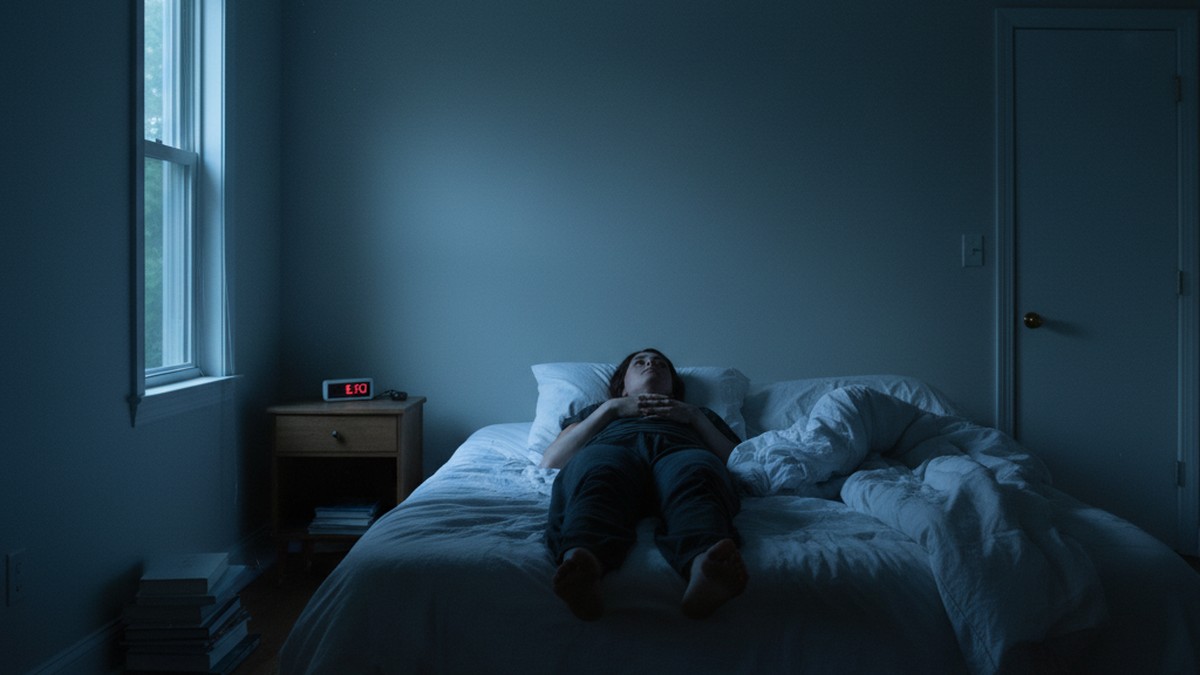
Common physical symptoms include insomnia and disrupted sleep architecture, often compounded by nightmares. Appetite loss is typical — many betrayed partners describe losing significant weight in the first weeks, not deliberately but because eating feels simply impossible. Chronic fatigue develops even when sleep hours are adequate, because the nervous system's sustained activation is metabolically expensive. Headaches, muscle tension (often in the jaw, neck, and shoulders), digestive disruption, nausea, and a persistent physical heaviness are all reported consistently.
A 2024 study of 2,500 adults found that romantic betrayal predicted chronic health conditions even after controlling for income, baseline health status, and lifestyle factors (Partner Betrayal Trauma Journal, 2024). Critically, having strong social support networks did not fully buffer these physical health outcomes — a finding that underscores the need for active processing rather than simply social connection.
5. Disrupted Reality Testing
Many betrayed partners describe a specific cognitive symptom that is more disorienting than the emotional ones: an inability to trust their own perceptions of the past.
If the relationship contained sustained deception — months or years of constructed unreality — then the discovery forces a reprocessing of the entire relationship history. What was real? What was performed? Which moments were what they appeared to be, and which were staged? This is not an abstract philosophical question; it has direct implications for how the betrayed person understands themselves, their judgment, and their capacity to perceive accurately.
This symptom is substantially worsened when the unfaithful partner has engaged in active gaslighting — deliberate manipulation of the betrayed person's perception of reality during the affair. Gaslighting after cheating leaves the betrayed partner not just hurt but genuinely uncertain about what they observed, what they felt, and whether their perceptions are reliable. Recovering this epistemic confidence — the ability to trust what you see and what you know — is one of the central tasks of betrayal trauma recovery.
6. Social Withdrawal
The impulse to retreat from friends, family, and ordinary social engagement is extremely common in the weeks following discovery.
Several factors drive it. Shame plays a role — real or anticipated judgment from people who might ask why you didn't leave sooner, why you didn't see the signs, or what you were doing wrong. Exhaustion plays a larger role — social interaction requires emotional resources, and betrayal trauma depletes those resources faster than most people can replenish them through normal rest.
There is also a specific form of alienation that comes from feeling that your understanding of ordinary relationship reality has been fundamentally disrupted. When you are standing in a space where your most basic model of your life has been falsified, conversations about ordinary things — plans, events, mutual acquaintances — can feel dissonant in ways that are hard to explain.
7. Self-Blame
A 2024 study published in the Journal of Sex & Marital Therapy found that 87 percent of betrayed partners reported self-blame following the discovery of infidelity. This is the most damaging of the seven symptoms because it actively undermines recovery: self-blame reduces help-seeking, increases shame, and directs the emotional work inward toward self-indictment rather than outward toward processing the actual injury.
Self-blame in betrayal trauma is not rational, but it has a comprehensible psychological logic. The attachment system is looking for an explanation that preserves the possibility of safety in the relationship. If you did something wrong — if there was a reason you failed to prevent this — then theoretically, the situation is within your control. If the explanation is simply that your partner chose, repeatedly, to deceive you, there is no control to be found, and that absence of control is terrifying.
The same 2024 study found that 43 percent of betrayed partners reported considering self-harm. That statistic is not included here for shock value — it is included because it marks the point where self-blame becomes a medical emergency, not just a recovery obstacle. If you are experiencing thoughts of harming yourself, professional support is not a consideration; it is an immediate necessity.

Why Does Betrayal Trauma Hurt So Differently?
Most descriptions of infidelity pain name the obvious elements: grief over the relationship, rage at the betrayal, fear about the future. These are all real components. But betrayal trauma goes deeper than hurt because it doesn't just damage the relationship — it reorganizes your understanding of the relationship, yourself, and your capacity to perceive reality accurately.
The question "how could I not have known?" is not really a question about observational skills. It's a question about the reliability of your own perceptions. When that reliability is shattered, the harm extends well beyond what was done to the relationship.
The Nervous System's Dilemma
Your nervous system processes your intimate partner as a resource, not merely a preference. Over time, your body's stress-regulation systems have been calibrated in part around their presence. This is why people in long-term relationships often report sleeping better together, recovering from stressful days more quickly when the other person is home, and feeling genuinely calmer in their partner's company — these are measurable physiological phenomena, not sentiment.
When the relationship contains a significant, sustained deception, that calibration becomes a liability. The nervous system reaches toward the partner for regulation and finds — in varying and confusing proportions — either an active source of threat, a person who has fundamentally misrepresented themselves, or, most confusingly, both.
This is the specific neurological dilemma of betrayal trauma: the approach-and-comfort system and the threat-avoidance system are being activated simultaneously by the same person. The nervous system was not designed for this. No evolutionary history prepared it for an attachment figure who is also a danger. The disorientation this produces is physiological before it is cognitive.
DARVO: When the Betrayer Reverses the Dynamic
Jennifer Freyd also identified a pattern she called DARVO — Deny, Attack, Reverse Victim and Offender. When confronted about infidelity, some unfaithful partners respond not with acknowledgment but with a sequence: deny the behavior occurred, attack the credibility or mental state of the person raising it, and ultimately position themselves as the real victim of the confrontation.
DARVO compounds betrayal trauma significantly. A person already struggling to trust their own perceptions — already experiencing the "did I imagine this?" symptom described above — now faces an active campaign to further undermine those perceptions. The result is a betrayed partner who can end up comforting the person who hurt them, defending themselves from accusations of being "paranoid," and feeling guilty for the disruption their discovery has caused.
Recognizing DARVO for what it is — a defense mechanism, not a factual account — allows betrayed partners to reconnect with their own clear knowledge of what happened. The symptoms you are experiencing are disproportionate only if the event was disproportionate. It was.
The Identity Wound
Betrayal trauma affects not just the relationship but how you understand yourself.
Part of your identity has been built within the context of this relationship — who you are as a partner, how you are seen, what your future looks like, what decisions you made that seemed right at the time. A significant betrayal doesn't simply damage those things. It retrospectively reframes the context in which they were built.
This is why many betrayed partners describe feeling like a different person after discovery, or feeling that the person they were before doesn't quite fit anymore. That experience is accurate. A meaningful part of the self-model that was organized around this relationship has been genuinely disrupted. Acknowledging that the identity wound is real — not just "being dramatic" — is one of the first steps in the recovery process.
What Triggers Betrayal Trauma?
A trigger is any sensory input, cognitive association, or environmental cue that connects to the memory of the betrayal and activates the trauma response. Triggers are not overreactions — they are the nervous system's pattern-matching system doing exactly what it was designed to do: identifying environmental features that co-occurred with past danger.
Common betrayal trauma triggers include:
- Specific songs that played during the affair period or during moments now revealed as deceptive
- The smell of a perfume, cologne, or even food associated with the affair partner
- Physical locations where the affair occurred or where lies were told
- The date or anniversary of discovery (calendar triggers are very common and very disorienting)
- Seeing the affair partner on social media, in person, or in photographs
- Your partner's phone behavior, even if it is now fully transparent
- Specific words, phrases, or terms of affection that were used during the deception
- Sexual intimacy (which can evoke comparisons, questions about authenticity, or body-based threat responses)
- Hearing about other people's relationships that structurally resemble the betrayal
- Routine moments in the day that were once shared comfortably and are now layered with recontextualized meaning
None of these require explanation or justification to other people. The nervous system learned that specific patterns in this person's behavior preceded or accompanied significant harm, and it is now scanning for those patterns. That scanning is not a choice; it's an automatic protective response.
How Triggers Change Over Time
In the first weeks and months after discovery, triggers are often frequent, intense, and seemingly unpredictable. They can arrive from sources beyond your control — a commercial, a location you drive past on the way to work, a random song — and activate a full-scale trauma response without warning.
With time and active processing, triggers typically become less frequent and less intense. This shift happens gradually and not always perceptibly in the moment. A betrayed partner who once needed hours to recover from a trigger may, a year into active recovery work, feel a brief and sharp recognition and move through it within minutes.
The mistake many people make is interpreting the continued presence of triggers as evidence that healing isn't happening. In most cases, the presence of triggers simply indicates where the nervous system has not yet completed processing. Their gradual reduction in amplitude is the evidence of healing — not their absence, which may come much later, but their decreasing power over time.
How Does Betrayal Trauma Affect Your Body?
Betrayal trauma is not only a psychological experience. It produces measurable and documented changes in the body's stress-regulation systems that, if unaddressed, can contribute to chronic health problems extending well beyond the acute phase.
The core physiological mechanism is prolonged cortisol elevation. The trauma response activates the HPA axis — the hypothalamic-pituitary-adrenal system that governs the body's threat responses. In short-term threats, cortisol spikes and normalizes once the threat resolves. In prolonged threat states — which betrayal trauma creates, because the relationship and everything connected to it becomes ambiguous and potentially dangerous — cortisol remains elevated for extended periods.
Sustained elevated cortisol disrupts sleep architecture (REM cycles in particular), suppresses immune function, interferes with digestive processes, and contributes to cardiovascular strain over time. These are not theoretical risks. They are why betrayed partners commonly get sick more frequently during the acute phase, why sleep remains disrupted long after the initial shock has passed, and why many report feeling physically diminished even when the acute emotional intensity has somewhat eased.
What the Research Shows
A 2024 study of 2,500 adults examined the long-term health outcomes of people who had experienced romantic betrayal (Partner Betrayal Trauma Journal, 2024). After controlling for income, baseline health, and lifestyle factors, the study found that romantic betrayal predicted significantly elevated rates of chronic health conditions. The particularly striking finding: having a strong social support network did not fully buffer these physical health outcomes.
This has a direct implication for how you approach recovery. Social support is valuable — it matters, and it's worth seeking actively. But you cannot social-support your way out of betrayal trauma's physiological effects. The trauma needs to be processed at the biological level, which is one of the reasons body-based and somatic therapeutic approaches have accumulated evidence as components of betrayal trauma treatment.
Physical Self-Care as Medical Necessity
Many betrayed partners deprioritize their physical needs during the acute phase. This is understandable: the emotional pain is consuming, and the physical symptoms feel secondary to it. But the physical symptoms feed back into the psychological ones in ways that make recovery harder. Sleep deprivation alone significantly worsens emotional dysregulation, reduces cognitive flexibility, and increases reactivity to triggers.
Basic physical care in the aftermath of betrayal is not optional indulgence:
- Sleep: Prioritize sleep hygiene practices actively. If sleep disruption is severe, this warrants a conversation with a physician, who may recommend short-term support.
- Nutrition: Eat regularly even when appetite is absent. The body requires nutritional resources to process trauma, and caloric restriction compounds the hormonal disruption already underway.
- Movement: Physical exercise is one of the most evidence-supported interventions for cortisol regulation and mood stabilization. It doesn't need to be intensive — consistent moderate activity is sufficient.
- Medical attention: If physical symptoms are severe, persistent, or worsening, a physician should be part of your recovery team. The research is clear that the body is genuinely affected; it should be treated accordingly.
How Long Does Betrayal Trauma Last?
Betrayal trauma typically lasts between 6 months and 2 years, depending on severity, support systems, and whether professional help is sought. Those who engage in trauma-focused therapy—particularly EMDR or Emotionally Focused Therapy—tend to see significant improvement earlier. Without treatment, symptoms often persist well beyond two years.
These timelines are documented averages, not prescriptions or tests of character. People heal at different rates for reasons that have nothing to do with how much they care, how strong they are, or how motivated they are to recover. The timeline is a function of the severity of the betrayal, the complexity of the deception, the presence or absence of support, and prior trauma history that the current injury may have reactivated.
Factors That Accelerate Recovery
- Full and consistent disclosure from the unfaithful partner. Partial disclosure — where information is revealed gradually over weeks or months, each revelation restarting the acute trauma response — is one of the most consistently documented prolongers of betrayal trauma. The pattern is sometimes called "trickle truth," and research shows it significantly extends recovery timelines compared to complete disclosure.
- Individual trauma-focused therapy. EMDR, Internal Family Systems, and somatic approaches all have evidence specifically for relationship trauma recovery. The therapist's experience with infidelity trauma specifically matters — generic trauma training does not always translate to the specific dynamics of partner betrayal.
- Couples therapy (when both partners are genuinely committed to the process). Couples therapy after cheating has the strongest evidence base of any intervention for relationship-level recovery.
- Consistent social support from people who validate without directing. Not everyone in your life will respond helpfully. Those who can hold space without immediately prescribing what you should do — stay, leave, forgive, forget — are more valuable than those who can't.
- Maintained physical health practices. As discussed above, the physiological component of recovery is real and requires attention.
Factors That Slow Recovery
- Ongoing deception or trickle truth — each new revelation restarts the acute trauma cycle.
- Self-blame without professional intervention — the most prevalent and damaging unaddressed symptom.
- Social isolation — which removes the relational regulation that the nervous system needs.
- Substance use to manage symptoms — alcohol, in particular, is a short-term numbing strategy that suppresses processing without advancing it, extending total recovery time.
- Pressure from either partner to heal on an artificially accelerated timeline. "Why aren't you over this yet?" is not a question that reflects understanding of trauma; it is a pressure that consistently extends recovery by adding shame to the injury.
- Unprocessed prior trauma that the current betrayal has reactivated — this is more common than most people recognize, and it means the recovery work sometimes involves addressing more than the current infidelity.
Healing is not linear. Most betrayed partners experience clear periods of improvement followed by apparent setbacks — a trigger arrives, a new piece of information surfaces, a significant date passes — and the progress seems to reverse. This is a documented feature of trauma recovery, not evidence that healing isn't possible. The trajectory over months is generally forward, even when individual days are not.
The ANCHOR Recovery Model
Most betrayal trauma recovery frameworks focus on either the relationship decision (stay or leave) or the emotional processing (feel the feelings). The ANCHOR model integrates both dimensions and is specifically designed to apply regardless of which direction the relationship takes. Whether you are in the process of reconciliation or separation, the core recovery work is the same.
A — Acknowledge what actually happened
The first phase of recovery requires naming the betrayal clearly, without minimizing or catastrophizing. Many betrayed partners oscillate between these extremes: rationalizing ("it wasn't that serious, we can move past it") or using the betrayal as evidence that the entire relationship, including the good parts, was false. Neither position is accurate.
Acknowledgment means this: something significant happened. It caused real harm. That harm deserves recognition — first from you, before anyone else. Before reconciliation or separation, before practical decisions about the relationship, the injury needs to be correctly identified and named. What you experienced was not a misunderstanding. It was a betrayal.
N — Name your symptoms as trauma responses, not character flaws
This step is about cognitive recategorization. If you are hypervigilant, you are not "paranoid." If you are having intrusive thoughts, you are not "obsessed." If you are emotionally dysregulated, you are not "falling apart" or "being dramatic." These are neurological responses to a genuine threat — responses that would register in a brain scan, that have been documented in thousands of clinical cases, and that have known recovery trajectories.
Naming the symptoms correctly changes your relationship to them. Instead of fighting what appears to be a personality failure, you are managing a recognized trauma response with a documented arc. The self-monitoring changes from "why can't I stop thinking about this" to "this intrusive thought is a trauma symptom, and I know what to do with it." That shift in framing is not trivial. It's foundational.
C — Connect with appropriate support
Social isolation is one of the most consistent predictors of poor betrayal trauma outcomes. Connection matters — but the kind matters. Connecting with the wrong people actively worsens recovery.
Some people minimize: "everyone makes mistakes, just forgive and move on." Some catastrophize: "you need to leave immediately, no one who cheats can change." Some make it about themselves. The people most valuable during betrayal trauma recovery are those who can be present without directing, who validate the experience without prescribing the outcome.
For most people with significant betrayal trauma symptoms, professional support isn't a luxury. It is the most efficient path to recovery, and it is where the most precise tools are available. This is particularly true for the self-blame symptom, which is extremely difficult to resolve without an external perspective.
H — Hold yourself with deliberate compassion
Eighty-seven percent of betrayed partners report self-blame (Journal of Sex & Marital Therapy, 2024). Self-compassion is the direct antidote to the symptom most correlated with poor recovery outcomes.
Holding yourself with compassion during betrayal trauma recovery means not adding your own condemnation to the injury you are already carrying. The internal voice that says "you should have seen the signs," "you weren't enough," or "you chose this person" is not offering useful information. It is reactivating the trauma. It is also, factually, wrong — infidelity is the choice of the person who committed it, not the consequence of what their partner failed to provide.
Compassion doesn't mean excusing the relationship mistakes you made, if any. It means correctly attributing the betrayal to the person who chose, repeatedly and deliberately, to deceive you — and not carrying that as evidence against yourself.
O — Orient toward your future self
One of the most disorienting features of betrayal trauma is the collapse of the future. The future you had mapped — with this person, in this form, in this direction — no longer exists. What often replaces it in the acute phase is an unstructured void.
Orienting toward the future doesn't mean having a new plan. It means recovering the capacity to imagine a future at all. To notice that the void has an edge. That beyond it, there is territory that belongs to you regardless of what happens in this relationship — territory you have the capacity to inhabit.
Many betrayed partners find, with time, that the specific future that was lost was actually a narrower version of a larger possible life. The orientation work is not about replacing the old future with an equivalent one. It's about expanding what you can imagine beyond the constraints of what was planned before.
R — Rebuild slowly and accept the nonlinearity
Recovery from betrayal trauma is not a straight line from injured to healed. It is iterative, recursive, and frequently two steps forward followed by one step back. Accepting this — not as a failure but as the documented pattern of trauma recovery — is itself part of the rebuild.
Rebuilding slowly means not measuring recovery by how quickly you return to the person you were before discovery. That person didn't have the information you now have. The rebuilt self incorporates that information — and for most people who do the processing work, is more self-aware, more honest about their own needs, and more capable of recognizing relational warning signs than the pre-betrayal self was.
The psychology of being cheated on consistently shows that post-traumatic growth outcomes — increased self-knowledge, stronger relational discernment, more clearly held values — are documented and common among people who engage with genuine recovery work. The process is genuinely painful. The outcomes, for most people, include things they wouldn't willingly surrender.
Does It Matter Whether You Stay or Leave?
Research shows that recovery quality from betrayal trauma is not primarily determined by whether you stay in or leave the relationship. What predicts healing is how actively you process the trauma itself. People who leave without processing carry the wound into future relationships; those who stay without processing remain stuck despite the relationship continuing.
This is the most important and most consistently misunderstood aspect of betrayal trauma recovery. The common cultural frameworks — "leave to heal yourself" and "stay and work through it together" — both rest on the assumption that the relationship decision is the primary driver of recovery quality. The clinical evidence suggests otherwise.
What Staying Without Processing Looks Like
A 2024 study published in the Journal of Sex & Marital Therapy found that 83.5 percent of betrayed partners remain in their relationship with the person who hurt them. Understanding why people stay after cheating reveals that the reasons are complex and often simultaneously valid — financial dependency, shared children, genuine love for the partner, fear of the unknown, history, hope.
None of those reasons is inherently wrong. But staying in the relationship does not, by itself, process the betrayal trauma. When couples reconcile without active trauma processing — without individual therapy for the betrayed partner, without genuine accountability from the unfaithful partner, without an honest and extended reckoning with what happened — the pattern that emerges is recognizable:
- Surface-level reconciliation that holds under ideal conditions but fractures under stress
- Persistent low-grade hypervigilance that erodes daily relationship quality and intimacy
- Secondary discovery events — additional information that was concealed — which restart the trauma cycle
- Slow emotional withdrawal by the betrayed partner, sometimes years later, as they finally process what they suppressed
In these situations, the relationship continues but the betrayal trauma does not heal. It compresses and persists.
What Leaving Without Processing Looks Like
The person who leaves after infidelity and regards the departure itself as the solution is carrying a recognizable set of unresolved patterns into subsequent relationships:
- Hypervigilance transferred to a new partner who has not earned it, based on threat-detection calibrations formed by the previous betrayal
- Difficulty with emotional vulnerability because the last time vulnerability was extended, it was exploited
- Relationship-testing behaviors — deliberate or not — that serve no productive function
- A tendency toward either rapid idealization of new partners (which collapses when they fail to resolve the old injury) or persistent distancing behavior that prevents the intimacy they actually want
Leaving the relationship is not inherently the wrong decision. It may be entirely right. The problem is believing that leaving, by itself, does the recovery work. It doesn't. It removes the source of the ongoing threat, which can be enormously valuable. But the processing — of the specific cognitive and emotional content of the betrayal, of the disrupted self-perception, of the grief for the relationship that was believed to exist — still needs to happen.
The Variable That Actually Predicts Recovery
The research consistently converges on one primary predictor of betrayal trauma recovery quality: active engagement with the trauma itself. This means naming it as trauma, obtaining appropriate professional support, processing the specific content of what happened rather than suppressing it, and completing the grief for the relationship as it was believed to be.
Whether this active processing happens inside or outside the continued relationship is secondary. Both paths can reach full recovery. Both paths, without active processing, lead to the wound persisting in one form or another.

What Therapy Works Best for Betrayal Trauma?
No single modality is universally optimal for betrayal trauma recovery. The most effective approaches typically combine trauma processing with attachment-focused work. Four have the strongest current evidence base:
EMDR (Eye Movement Desensitization and Reprocessing)
EMDR was developed for trauma with discrete triggering events and is highly effective for processing specific traumatic memories. It works by targeting those memories and reprocessing them through bilateral stimulation — typically eye movements — reducing their emotional charge without erasing the memories themselves.
For betrayal trauma, standard EMDR protocols often require adaptation. The "worst moment" in infidelity trauma is rarely a single discrete event; it's a constellation of revelations, retrospective reframings, and ongoing discoveries that may unfold over weeks. Experienced EMDR therapists who specialize in relationship trauma know how to work with this more diffuse structure. Multiple controlled studies support EMDR's effectiveness for relationship trauma when appropriately applied.
Emotionally Focused Therapy (EFT)
EFT was developed specifically for relationship difficulties and has the strongest evidence base of any couples therapy modality. In the context of betrayal recovery, EFT targets the patterns of interaction that maintain relational distress and works systematically to rebuild the attachment bond that the betrayal fractured.
Research shows that couples who complete an EFT protocol for infidelity recovery demonstrate significantly better outcomes — both in relationship quality and in individual trauma symptom reduction — than those who receive general supportive counseling. EFT is not appropriate for all situations; it requires genuine commitment from both partners and is not effective when deception is ongoing.
Internal Family Systems (IFS)
IFS is particularly effective for the self-blame symptom, which affects 87 percent of betrayed partners and is one of the most difficult to address through insight alone. The approach conceptualizes the psyche as containing different "parts" — including self-critical parts, protective parts, and a core Self that remains fundamentally undamaged even by severe trauma.
For many betrayed partners, IFS provides a way of understanding why the self-critical internal voice is so active and persistent — without identifying with it or being controlled by it. This approach to the self-blame symptom is qualitatively different from telling someone "it's not your fault" — it engages the internal architecture that produces the self-blame and works at that level.
Somatic Therapy
Given the documented physical health effects of betrayal trauma, body-based approaches address something that talk therapy alone cannot fully reach. Somatic approaches work directly with the nervous system's stored threat responses, using breath, movement, body awareness, and occasionally touch-based techniques to discharge the physiological activation that persists even after the cognitive understanding of the betrayal has been processed.
Many betrayed partners find that they can talk about the infidelity with relative clarity and still feel a body-level threat response when certain topics arise or when certain situations occur. Somatic work targets that layer — the pre-verbal, pre-cognitive stored activation — which is often the last to resolve and the layer most responsible for ongoing physical symptoms.
What NOT to Do While Healing from Betrayal Trauma
Knowing what actively slows recovery is as valuable as knowing what helps. These patterns appear consistently in clinical descriptions of prolonged or complicated betrayal trauma:
- Categorizing your response as disproportionate. Your reaction is proportional to the event. Accepting a frame that pathologizes your response — whether from your partner, from people in your life, or from your own internal critic — adds unnecessary weight to an already heavy burden.
- Prioritizing your partner's comfort over your recovery process. If you are accelerating through your own pain in order to protect your partner's feelings, you are not healing. You are suppressing. Genuine recovery requires space to have your experience fully, which sometimes means the person who caused the injury witnesses the consequences of it.
- Isolating as a sustained strategy. Withdrawal is understandable and sometimes necessary in the acute days after discovery. As a sustained pattern over weeks and months, it prevents the social and relational reconnection that supports nervous system regulation.
- Waiting for time to do the work. Time creates the opportunity for healing. It does not produce healing by itself. The active processing — the therapeutic work, the honest self-examination, the grief — must happen within that time.
- Using surveillance to manage hypervigilance. If you are attempting to reconstruct trust in a continuing relationship, obsessively monitoring your partner's digital activity does not resolve hypervigilance. It maintains it. Real transparency agreements — agreed-upon access, open communication — work better than unilateral surveillance because they address the underlying trust deficit rather than accommodating the symptom.
- Measuring recovery by speed. There is no correct pace for this process. Someone who appears to have "moved on" quickly may have bypassed the processing work. You will encounter it eventually. Gradual, thorough, nonlinear recovery is more durable than rapid apparent resolution.
When to Seek Professional Help
Most people with betrayal trauma symptoms benefit from professional support. These specific indicators make it not just beneficial but necessary:
- Thoughts of harming yourself or others. The 2024 research finding that 43 percent of betrayed partners reported considering self-harm is not an incidental data point — it reflects a real clinical risk in the acute betrayal trauma phase. Thoughts of self-harm require immediate professional attention, not delayed consideration.
- Inability to maintain basic daily functioning for more than two weeks — working, eating, sleeping, caring for children or other dependents.
- Severe sleep disruption or appetite loss persisting beyond two weeks.
- Substance use to manage symptoms. Alcohol, cannabis, or other substances used specifically to numb or escape betrayal trauma symptoms require professional attention at two levels: the substance use itself, and the underlying trauma driving it.
- Escalating rather than stabilizing symptoms beyond the first month. An initial period of acute distress is expected. Symptoms that worsen rather than stabilize over the first four to six weeks indicate a level of severity that self-help alone will not address.
- Children in the home who are observing the acute distress phase. Children exposed to significant adult emotional dysregulation require support too, and professional guidance on how to manage the situation in their presence is warranted.
Finding the right therapist matters as much as seeking therapy at all. Look for professionals with specific experience in relationship trauma, infidelity recovery, or betrayal trauma — not just general trauma credentials. The specific dynamics of partner betrayal require familiarity that general clinical training doesn't guarantee.
Moving Through Betrayal Trauma
Betrayal trauma after infidelity is one of the most disorienting psychological injuries adults encounter — not because the relationship ended or might end, but because the person most associated with safety became the source of genuine harm.
The symptoms you are experiencing — intrusive thoughts, hypervigilance, physical illness, disrupted self-perception, persistent self-blame — are recognized clinical responses to a recognized injury. They are not weakness. They are not evidence that you loved "too much" or chose "wrong." They are what happens to the human nervous system when the attachment system and the threat-detection system are simultaneously and persistently activated by the same person.
The ANCHOR model provides a framework that applies regardless of what happens with the relationship: Acknowledge what happened. Name your symptoms as trauma responses, not character flaws. Connect with appropriate support. Hold yourself with deliberate compassion. Orient toward a future that exists on the other side of this. Rebuild slowly, and accept that the path back is not straight.
Recovery from betrayal trauma is not a return to the person you were before discovery. That person carried information they didn't have access to. The rebuilt self incorporates that information — and, for most people who engage with the processing work, becomes more self-aware, more honest about their own needs, and more capable of recognizing relational warning signs. That is a genuine form of growth, however painful the path to it.
If CheatScanX helped you confirm what you suspected, or if the investigation is still underway, the emotional aftermath of that discovery deserves as much attention as the investigation itself. What you find out matters less than what you do with what you know.
Frequently Asked Questions
Both involve intrusive thoughts, hypervigilance, and emotional dysregulation. The key difference is the attachment paradox: PTSD from external events lets you seek comfort from loved ones; betrayal trauma from infidelity makes your nervous system identify your partner as both the threat and the source of safety simultaneously. Standard PTSD coping strategies often fail for this reason, and treatment typically requires adaptation.
Most people see significant symptom reduction within 6 to 18 months with active support and therapy. Without professional intervention, symptoms can persist beyond two years. Full disclosure from the unfaithful partner, individual trauma-focused therapy, and consistent social support all accelerate recovery. Ongoing deception, self-isolation, and pressure to 'move on' quickly all slow it.
Yes. Betrayal trauma is tied to attachment dependency, not legal status. Any relationship where you relied on someone for emotional safety—dating relationships, long-term partnerships, even close friendships—can produce betrayal trauma when that person significantly violates your trust. The severity tends to correlate with how deeply you depended on that person, not with the formal nature of the relationship.
Physical symptoms are common and often surprising. Betrayed partners frequently report insomnia, appetite disruption, chronic fatigue, headaches, digestive problems, and persistent physical illness. A 2024 study of 2,500 adults found that romantic betrayal predicted chronic health conditions even after controlling for income, baseline health, and lifestyle factors—effects that strong social support alone did not prevent.
Yes. Research consistently shows that with appropriate support—individual trauma therapy, sometimes couples therapy, and a genuine commitment to processing rather than suppressing—betrayed partners achieve full resolution of trauma symptoms. Recovery doesn't mean forgetting or excusing what happened. It means the betrayal no longer controls your daily emotional state or activates your nervous system's threat response.